Refining Personalization with Avant Garde Embroidery Design
In the realm of machine embroidery, typography often takes a backseat to intricate floral motifs or complex pictorial designs. However, for professionals and serious hobbyists alike, the ability to integrate clean, modern text into fabric projects is a critical skill. Text transforms a generic item into a personalized keepsake, a branded product, or a statement piece. This is where Avant Garde Embroidery Design enters the conversation. It is not merely a font; it is a specialized digital asset designed to bridge the gap between graphic design aesthetics and the mechanical limitations of embroidery machines.
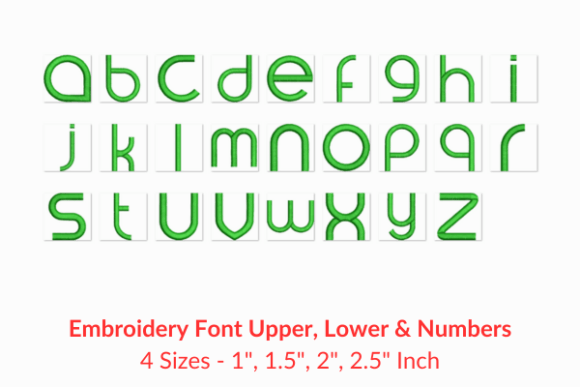
The Avant Garde typeface, originally designed in the late 1960s, is renowned for its geometric precision and distinctive circular 'O'. Translating this specific visual identity into stitch files requires careful engineering. The resulting Avant Garde Embroidery Design set offers creators a tool to maintain brand consistency or achieve a mid-century modern aesthetic in their textile work. For marketers, small business owners, and freelance designers, understanding the nuances of this digitized font can significantly elevate the perceived value of custom embroidered goods.
The Intersection of Typography and Stitch Engineering
Digitizing a font for embroidery is fundamentally different from selecting a typeface for print or web design. In print, vectors scale infinitely without loss of quality. In embroidery, every letter is composed of thousands of individual stitches that must navigate the physical properties of thread and fabric. Poorly digitized fonts often suffer from thread breaks, excessive bulk, or legibility issues at smaller sizes.
The primary strength of the Avant Garde Embroidery Design lies in its adaptation to these constraints. The geometric nature of the original font presents unique challenges, particularly in the rounded characters. If not properly underlined with stabilizing stitches, circular shapes can pucker or distort. A high-quality digitization ensures that the fill patterns and underlay stitches support the structure of the letter without creating unnecessary height or stiffness. This attention to technical detail ensures that the final output remains crisp and professional, regardless of the substrate.
For creators, this means less time spent troubleshooting hooping issues or adjusting tension settings. The reliability of the file format allows for a smoother workflow, which is essential for entrepreneurs managing tight production schedules. When evaluating embroidery assets, consistency is key. A font set that performs predictably across various fabric types—from dense denim to delicate silk—offers substantial long-term value.
Versatility Across Applications and Industries
The utility of Avant Garde Embroidery Design extends beyond simple monogramming. Its clean, sans-serif lines make it versatile for a wide range of applications. Consider the following scenarios where this font excels:
- Corporate Branding: Companies seeking to embroider logos on employee uniforms or promotional merchandise often require fonts that mirror their official branding. If a brand utilizes geometric sans-serif typography, this design set provides an accurate match.
- Wedding and Event Decor: Modern weddings often favor minimalist aesthetics. Using this font for table numbers, date stamps on linens, or personalized gifts aligns well with contemporary design trends.
- Etsy and Small Business Products: Sellers of custom baby clothes, tote bags, and hats benefit from fonts that are legible at small sizes. The clarity of the Avant Garde style ensures that names and short quotes remain readable even when scaled down.
- Artistic Quilting: Quilters who incorporate text into their blocks need fonts that integrate seamlessly with patchwork. The geometric balance of this design complements modern quilt patterns without overwhelming the visual composition.
The flexibility of the design allows it to be used on virtually any fabric, provided the appropriate stabilizer is selected. This adaptability makes it a staple resource for freelancers who handle diverse client requests. Whether writing a single initial or a full quote, the uniform stroke width ensures a cohesive look throughout the project.
Technical Specifications and File Compatibility
One of the most practical aspects of purchasing digital embroidery assets is file compatibility. The Avant Garde Embroidery Design package typically includes multiple file formats to ensure usability across different machine brands. Common formats include PES (Brother), DST (Tajima/Industrial), EXP (Melco/Bernina), and JEF (Janome). This multi-format approach eliminates the need for third-party conversion software, which can sometimes introduce errors or alter stitch density.
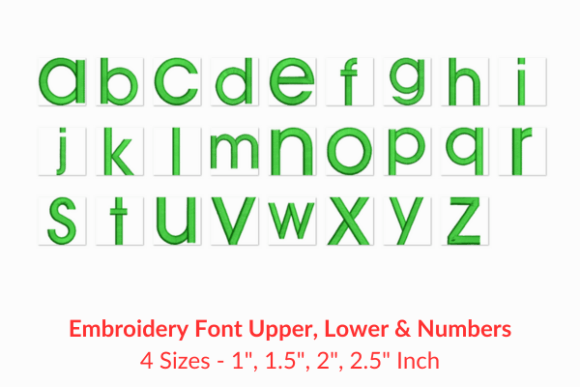
It is important to note how sizing information is presented in these packages. Typically, the dimensions and stitch counts provided in product descriptions refer to specific reference characters, such as the uppercase 'A' and lowercase 'a'. For instance, if a size listing indicates a height of 1 inch, this measurement applies to these reference letters. Because embroidery fonts are proportional, other letters will vary in width and stitch count based on their shape. Narrow letters like 'I' or 'J' will have fewer stitches than wider letters like 'M' or 'W'.
For precise planning, users should consult the detailed documentation included in the download. Most reputable providers include a "More Sewing Info" PDF that lists the exact dimensions and stitch counts for all 248 characters in the set. This level of transparency is crucial for professionals who need to calculate production costs or estimate thread usage accurately. Relying solely on summary data can lead to miscalculations in larger projects.
Evaluating Quality and Usability
When assessing the quality of an embroidery font, several factors come into play. First is the stitch efficiency. A well-digitized font minimizes jump stitches and trims, reducing production time and wear on the machine. Second is the visual fidelity. Does the stitched result resemble the original typeface? In the case of Avant Garde Embroidery Design, the goal is to preserve the iconic geometric curves while ensuring they do not appear jagged or uneven.
Usability also involves the learning curve. For beginners, working with text can be intimidating due to spacing and alignment concerns. High-quality font sets often come with guidelines or software compatibility notes that simplify the process. For experienced users, the value lies in the consistency of the output. A reliable font set reduces the need for manual editing in embroidery software, allowing for faster turnaround times.
However, users should be aware of potential limitations. Geometric fonts can sometimes appear rigid if not spaced correctly. Kerning, or the space between characters, may need adjustment depending on the specific word being embroidered. Additionally, very small sizes may lose some of the finer details of the geometric shapes, so testing on scrap fabric is always recommended before starting a final project.
Who Benefits Most from This Design?
While anyone interested in embroidery can appreciate a well-made font, certain groups will find Avant Garde Embroidery Design particularly valuable:
- Professional Embroiderers: Those running commercial shops need reliable, high-speed files that produce consistent results. The multi-format support and optimized stitch paths cater directly to this need.
- Graphic Designers Transitioning to Textiles: Designers familiar with the Avant Garde typeface from print media will appreciate the accuracy of the digitized version. It allows them to extend their brand identities into physical products seamlessly.
- Serious Hobbyists: Individuals who take pride in the finish of their projects will benefit from the clean lines and professional appearance of this font. It elevates homemade gifts to a boutique quality.
- Educators and Workshop Leaders: Teaching embroidery often requires demonstrating clear, legible text. This font serves as an excellent example of modern typography in stitch form.
In conclusion, the Avant Garde Embroidery Design is more than just a collection of letters; it is a functional tool for creative expression and commercial production. Its value lies in the careful balance between aesthetic fidelity and technical practicality. By offering multiple formats, detailed sizing information, and a versatile geometric style, it addresses the common pain points of embroidery digitization. For those looking to personalize designs with a touch of modern elegance, this font set represents a sound investment in their creative toolkit. As with any digital asset, success depends on understanding its specifications and applying it within the context of proper machine setup and fabric selection. When used correctly, it delivers results that are both visually striking and professionally durable.