Mastering the Vintage Editable Text Effect 3D Vintage in Adobe Illustrator
In the fast-paced world of digital design, efficiency and aesthetic consistency are paramount. Designers, marketers, and content creators constantly seek tools that bridge the gap between high-quality visual output and rapid production timelines. One such tool that has gained significant traction is the Vintage Editable Text Effect 3D Vintage. This resource is not merely a static font file; it is a sophisticated font effect designed specifically for Adobe Illustrator. Understanding how to integrate this asset into your broader creative workflow can significantly enhance your productivity while maintaining a distinct, nostalgic visual identity.
Unlike traditional typefaces that require manual styling to achieve depth or texture, this effect comes pre-configured with complex vector attributes. It is crucial to note that this is an Adobe Illustrator EPS file format asset. It cannot be opened or edited effectively in other software environments. This specificity ensures that the intricate vector paths and appearance settings remain intact, providing a level of quality control that raster-based alternatives often lack. For professionals who rely on scalable graphics for everything from business cards to large-format signage, this distinction is vital.
Integrating the Effect into Your Design Workflow
The true value of the Vintage Editable Text Effect 3D Vintage lies in its seamless integration into existing design processes. Whether you are working on a branding package, a social media campaign, or a printed publication, the placement of this asset within your workflow determines its effectiveness. Typically, typography decisions occur after the initial concept phase but before final layout adjustments. By introducing this editable effect at the right stage, you can ensure that the vintage aesthetic complements rather than competes with other design elements.
Consider the preparation phase. Before applying the effect, it is essential to have your copy finalized. While the text is fully editable, changing the wording after applying complex effects can sometimes require minor adjustments to spacing or scaling to maintain visual balance. Therefore, having your message locked down allows you to focus purely on the visual execution. Once your text is ready, importing the EPS file into your Illustrator document is the first technical step. Because the file is vector-based, it scales infinitely without loss of quality, making it suitable for multiple purposes and applications ranging from web headers to physical merchandise.
Compatibility and Technical Requirements
Understanding the technical constraints of the Vintage Editable Text Effect 3D Vintage is key to avoiding workflow bottlenecks. As mentioned, this asset is exclusive to Adobe Illustrator. Attempting to open the EPS file in Photoshop, InDesign, or free vector editors will result in either failure to load or a loss of editability. This limitation is actually a strength for professional workflows, as it encourages the use of industry-standard tools that offer precise control over vector paths and appearance panels.
For teams collaborating on projects, this means that all stakeholders involved in editing the typography must have access to Adobe Illustrator. If you are handing off files to a printer or a client, it is often wise to outline the text or flatten the appearance if no further edits are expected. However, keeping the original, fully editable version archived ensures that future revisions can be made quickly. This practice supports long-term usability and consistency across brand assets, allowing you to revisit and update designs months or years later without starting from scratch.
Practical Implementation and Customization
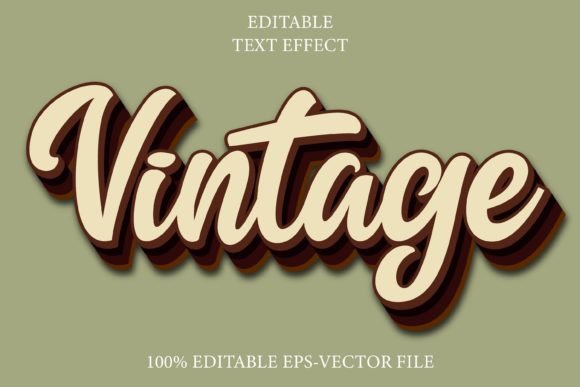
The core feature of this asset is its editability. The Vintage Editable Text Effect 3D Vintage works with every font or shape, offering unparalleled flexibility. To implement this effectively, start by selecting the text object within the EPS file. You can then replace the placeholder text with your own content. The effect automatically adjusts to the new characters, maintaining the 3D depth and vintage texture. This automation saves hours of manual work that would otherwise be spent applying extrusions, shadows, and textures individually.
Customization extends beyond just changing the words. You can modify the underlying font family to better suit your brand’s voice. Whether you prefer a bold serif for a authoritative look or a playful script for a casual vibe, the effect adapts. This versatility makes it suitable for diverse industries, from heritage brands looking to emphasize their history to modern startups aiming for a retro-chic aesthetic. The ability to tweak colors and gradients within the appearance panel further allows for precise alignment with your project’s color palette.
- Scalability: Resize the text to any dimension without pixelation, ensuring crisp edges on both digital screens and printed materials.
- Font Independence: Apply the effect to any typeface installed on your system, allowing for endless stylistic variations.
- Shape Compatibility: Beyond standard text, the effect can be applied to custom shapes and logos, expanding its utility beyond typography.
- Easy Editing: Use standard Illustrator tools to adjust spacing, kerning, and leading, ensuring optimal readability and visual harmony.
Enhancing Efficiency in Professional Projects
For freelancers and small business owners, time is a critical resource. The Vintage Editable Text Effect 3D Vintage serves as a force multiplier in your toolkit. By reducing the time spent on creating complex text effects from scratch, you can allocate more energy to strategic aspects of your project, such as client communication, market research, or overall composition. This shift in focus can lead to higher-quality outcomes and greater client satisfaction.
In a marketing context, consistency is key. Using a standardized effect like this ensures that all your promotional materials share a cohesive visual language. Whether you are designing email headers, social media posts, or print ads, the uniform application of the vintage 3D style reinforces brand recognition. Moreover, because the effect is fully editable, you can rapidly iterate on different messages or offers without compromising the visual integrity of your campaign. This agility is particularly valuable in fast-moving markets where timely responses to trends can determine success.
Quality Control and Best Practices
While the ease of use is a major advantage, maintaining high standards requires attention to detail. When using the Vintage Editable Text Effect 3D Vintage, always check the legibility of your text, especially when applying it to busy backgrounds. The 3D nature of the effect adds depth, which can sometimes reduce contrast if not managed properly. Adjusting the lighting angles or shadow opacity within the appearance panel can help mitigate this issue, ensuring that your message remains clear and impactful.
Additionally, consider the context in which the design will be viewed. For digital platforms, ensure that the file size is optimized for web performance without sacrificing quality. For print, verify that the color mode is set to CMYK and that the resolution meets the printer’s requirements. These small but crucial steps ensure that the final output matches your vision, regardless of the medium. By incorporating these quality control measures into your routine, you establish a reputation for reliability and professionalism.
Long-Term Value and Versatility
Investing in versatile assets like the Vintage Editable Text Effect 3D Vintage pays dividends over time. Unlike trend-specific templates that may quickly become obsolete, the vintage aesthetic has enduring appeal. Its ability to evoke nostalgia and warmth makes it relevant across various seasons and campaigns. Furthermore, the editable nature of the file means it can evolve with your brand. As your business grows and your design needs change, you can adapt the effect to new contexts without needing to purchase additional resources.
Educators and publishers can also benefit from this tool. Creating engaging visual materials for students or readers often requires distinctive typography that captures attention. The 3D vintage style adds a layer of sophistication and interest that plain text lacks, making educational content more appealing and memorable. By integrating this effect into their design toolkit, educators can enhance the visual appeal of their materials, thereby improving engagement and learning outcomes.
In conclusion, the Vintage Editable Text Effect 3D Vintage is more than just a design element; it is a strategic asset that enhances workflow efficiency, ensures visual consistency, and supports creative flexibility. By understanding its technical requirements, integrating it thoughtfully into your design process, and adhering to best practices for customization and quality control, you can leverage this tool to elevate your projects. Whether you are a seasoned designer or a hobbyist looking to improve your craft, mastering this effect opens up new possibilities for creating compelling, professional-grade visuals.